內(nèi)墻裝修一般情況下都采用普通的內(nèi)墻膩?zhàn)幽z粉,使用的粘接劑多為羧甲基纖維素CMC和羧基予湖化淀粉膠,這兩種粘接劑都會(huì)和灰鈣、水泥中的堿性物質(zhì)起凝膠反應(yīng)。當(dāng)堿性較高的墻體遇到中性內(nèi)墻膩?zhàn)幽z粉中的水分就會(huì)立即產(chǎn)生反應(yīng)出現(xiàn)小氣泡。這是因?yàn)槟佔(zhàn)铀褂玫牡奶畛淞蠟橹刭|(zhì)碳酸鈣或滑石粉,屬中性無(wú)強(qiáng)度不耐水。而墻體為水泥或石灰砂漿界面,屬堿性。所以遇到堿性較高的墻面易產(chǎn)生氣泡。
Ordinary interior wall putty powder is commonly used for interior wall decoration. Most of the adhesives used are carboxymethyl cellulose CMC and carboxyl group as Lake starch glue. These two adhesives react with alkaline substances in gray calcium and cement. When the wall with high alkalinity meets the water in the putty powder of neutral interior wall, it will react immediately and produce small bubbles. This is because the filler used for the putty is heavy calcium carbonate or talc powder, which is neutral, non strength and water-resistant. The wall is cement or lime mortar interface, which is alkaline. Therefore, it is easy to produce bubbles on the wall with high alkalinity.
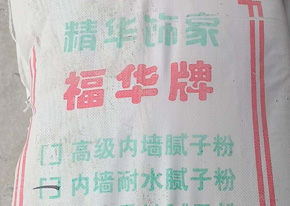
在每年七八月份梅雨季節(jié)空氣濕度大,內(nèi)墻膩?zhàn)幽z粉界面非常容易吸濕返潮,它就會(huì)與堿性墻面發(fā)生化學(xué)反應(yīng),出現(xiàn)鼓泡、開(kāi)裂、發(fā)霉、起皮脫落現(xiàn)象。特別是南方地區(qū)空氣濕度大,起皮脫落現(xiàn)象更為嚴(yán)重。鋼化拋光膩?zhàn)油瑯映3T谂螘r(shí)會(huì)出現(xiàn)起泡現(xiàn)象,原因是所使用的膠粘劑無(wú)透氣功能,比如使用的摻假纖維素HPMC。摻有CMC或含有羧基成分的其他化工產(chǎn)品。
In the plum rain season in July and August every year, the air humidity is high, and the putty rubber powder interface of the inner wall is very easy to absorb moisture and return to moisture. It will have a chemical reaction with the alkaline wall, resulting in bubbling, cracking, mildew, peeling and falling off. Especially in the south, the air humidity is high, and the peeling and falling off phenomenon is more serious. Toughened polishing putty also often bubbles when scraping, because the adhesive used has no air permeability function, such as adulterated cellulose HPMC. Other chemical products mixed with CMC or containing carboxyl groups.
這樣現(xiàn)象發(fā)生的原因:一是返堿墻面。尤其是室內(nèi)水泥現(xiàn)澆頂板為多見(jiàn),原因是在頂板澆注過(guò)程中水泥砂漿中堿性物質(zhì)隨水沉淀聚積于頂板與模板之間,水份干燥蒸發(fā)后,室內(nèi)水泥頂板表面就會(huì)呈現(xiàn)較高的堿性氣泡。二是水泥砂漿墻面較粗糙,批刮膩?zhàn)訒r(shí)將氣體封閉在其中釋放出的氣體形成小氣泡。如果出現(xiàn)起泡現(xiàn)象該如何處理呢?內(nèi)墻膩?zhàn)幽z粉廠家為大家總結(jié)了一些處理辦法:
The reasons for this phenomenon: first, return to alkali wall. In particular, the indoor cement cast-in-situ roof is common, because the alkaline substances in the cement mortar precipitate and accumulate between the roof and the formwork with water during the roof pouring process. After the water is dried and evaporated, the surface of the indoor cement roof will show high alkaline bubbles. Second, the cement mortar wall is rough. When applying putty, the gas will be sealed in it, and the released gas will form small bubbles. How to deal with bubbles? The manufacturer of interior wall putty and rubber powder summarized some treatment methods for you:
1、河南內(nèi)外墻膩?zhàn)臃蹚S家建議更換有透氣功能耐堿性膠粉,比如使用國(guó)標(biāo)纖維素HPMC非標(biāo)純粉,或有透氣功能的速溶樹(shù)脂膠粉。
1. Henan interior and exterior wall putty powder manufacturers recommend replacing alkali resistant rubber powder with air permeability function, such as using national standard cellulose HPMC non-standard pure powder or instant resin rubber powder with air permeability function.
2、批膩?zhàn)幽z粉前可用水噴灑在粗糙墻面或罩白灰墻面上,讓氣體提前釋放后在批膩?zhàn)樱纯杀苊獬霈F(xiàn)起泡現(xiàn)象。
2. Before applying putty rubber powder, water can be sprayed on the rough wall or covered with lime. After the gas is released in advance, apply putty to avoid foaming.
The above is the detailed introduction of Jinan putty powder. I hope it will help you If you have any questions, please contact us We will provide you with professional service http://m.daquanq.com.cn






 主站蜘蛛池模板:
久久中文字幕无码一区二区|
石家庄市|
日本一区二区国产高清在线播放|
亚洲国产AⅤ精品一区二区不卡|
成人国产在线观看高清不卡|
最新永久免费AV网站|
国产一区二区三区在线免费观看
|
91福利国产在线观看网站|
道孚县|
在线视频不卡在线亚洲|
亚洲素人日韩av中文字幕|
国产精品自产拍在线观看中文|
鄂托克旗|
亚洲AV肉丝网站一区二区无码
|
亚洲成a人片在线观看中|
国产精品成人嫩妇|
亚洲AV综合A国产AV中文
|
国产成人在线小视频|
一本色综合久久|
九九在线精品视频xxx|
色窝综合网|
封丘县|
亚洲黄片高清在线观看|
久久国产乱子伦精品免费强|
精品国产亚洲av麻豆尤物|
成年女人喷潮免费视频|
性欧美free高清video|
在线精品动漫一区二区无码|
亚洲综合网站精品一区二区|
青铜峡市|
中文字幕一区二区人妻痴汉电车|
亚洲精品国产品国语在线app|
首页 图区 国产 亚洲 欧美|
日本一区二区在免费观看喷水|
日韩精品中文字幕综合|
国产AV高清精品久久|
国产精品av在线一区二区三区|
免费99视频|
日本韩国三级aⅴ在线观看
|
精品无吗国产一区二区三区av
|
人妻日韩精品中文字幕|
主站蜘蛛池模板:
久久中文字幕无码一区二区|
石家庄市|
日本一区二区国产高清在线播放|
亚洲国产AⅤ精品一区二区不卡|
成人国产在线观看高清不卡|
最新永久免费AV网站|
国产一区二区三区在线免费观看
|
91福利国产在线观看网站|
道孚县|
在线视频不卡在线亚洲|
亚洲素人日韩av中文字幕|
国产精品自产拍在线观看中文|
鄂托克旗|
亚洲AV肉丝网站一区二区无码
|
亚洲成a人片在线观看中|
国产精品成人嫩妇|
亚洲AV综合A国产AV中文
|
国产成人在线小视频|
一本色综合久久|
九九在线精品视频xxx|
色窝综合网|
封丘县|
亚洲黄片高清在线观看|
久久国产乱子伦精品免费强|
精品国产亚洲av麻豆尤物|
成年女人喷潮免费视频|
性欧美free高清video|
在线精品动漫一区二区无码|
亚洲综合网站精品一区二区|
青铜峡市|
中文字幕一区二区人妻痴汉电车|
亚洲精品国产品国语在线app|
首页 图区 国产 亚洲 欧美|
日本一区二区在免费观看喷水|
日韩精品中文字幕综合|
国产AV高清精品久久|
国产精品av在线一区二区三区|
免费99视频|
日本韩国三级aⅴ在线观看
|
精品无吗国产一区二区三区av
|
人妻日韩精品中文字幕|
 魯公網(wǎng)安備